Much loved comedy actor June Whitfield has died at the age of 93. Best known for her roles in Terry and June and Absolutely Fabulous, here we look back at her career that spanned seven decades
June Whitfield – a life in pictures
The season of the witch: how Sabrina and co are casting their spell over TV
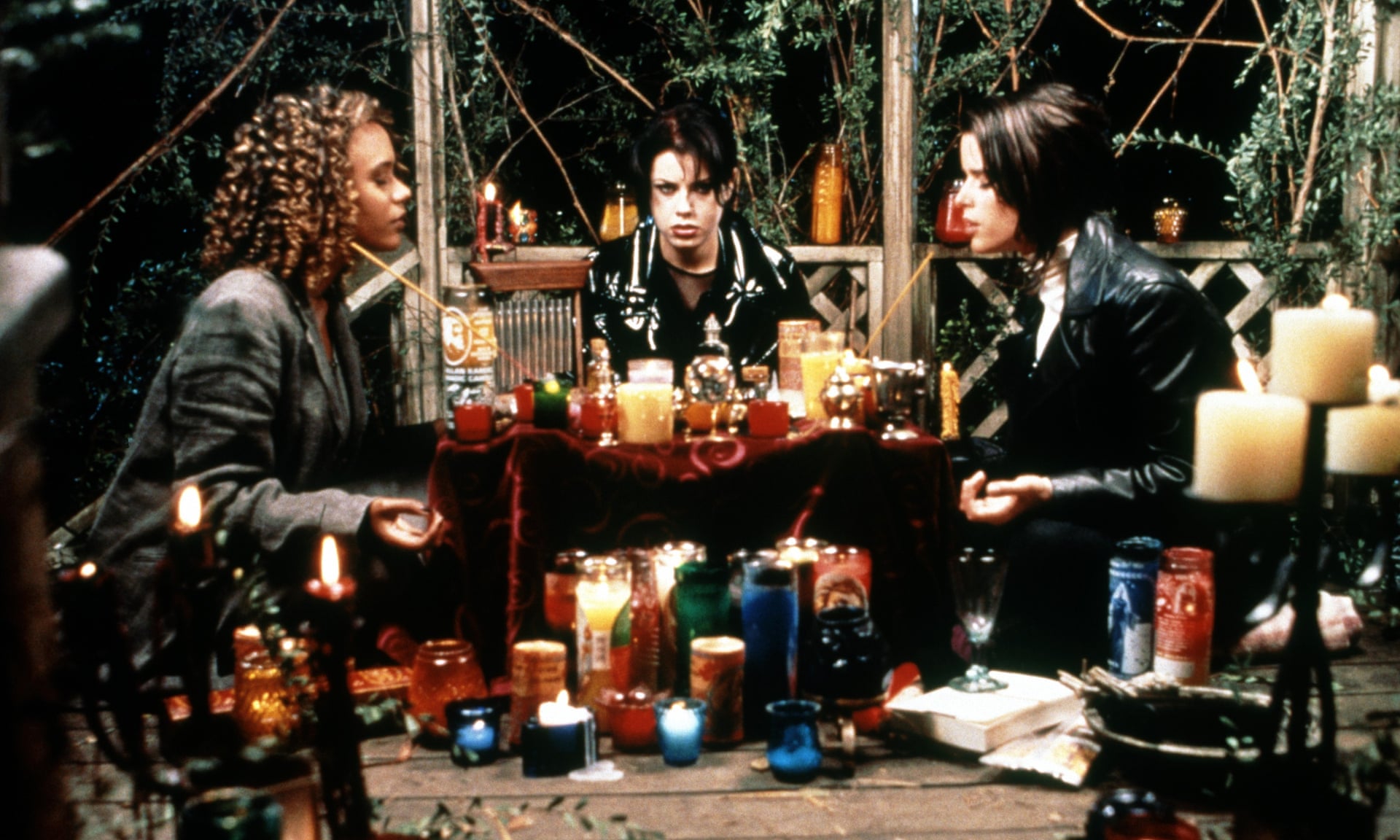
The season of the witch is truly upon us . A remake of Dario Argento’s giallo classic Suspiria has just been released, while this autumn, TV will conjure up not just one but three shows featuring a witch as protagonist: Sky’s A Discovery of Witches , Netflix’s Chilling Adventures […]
English Heritage calls for female blue plaque nominees
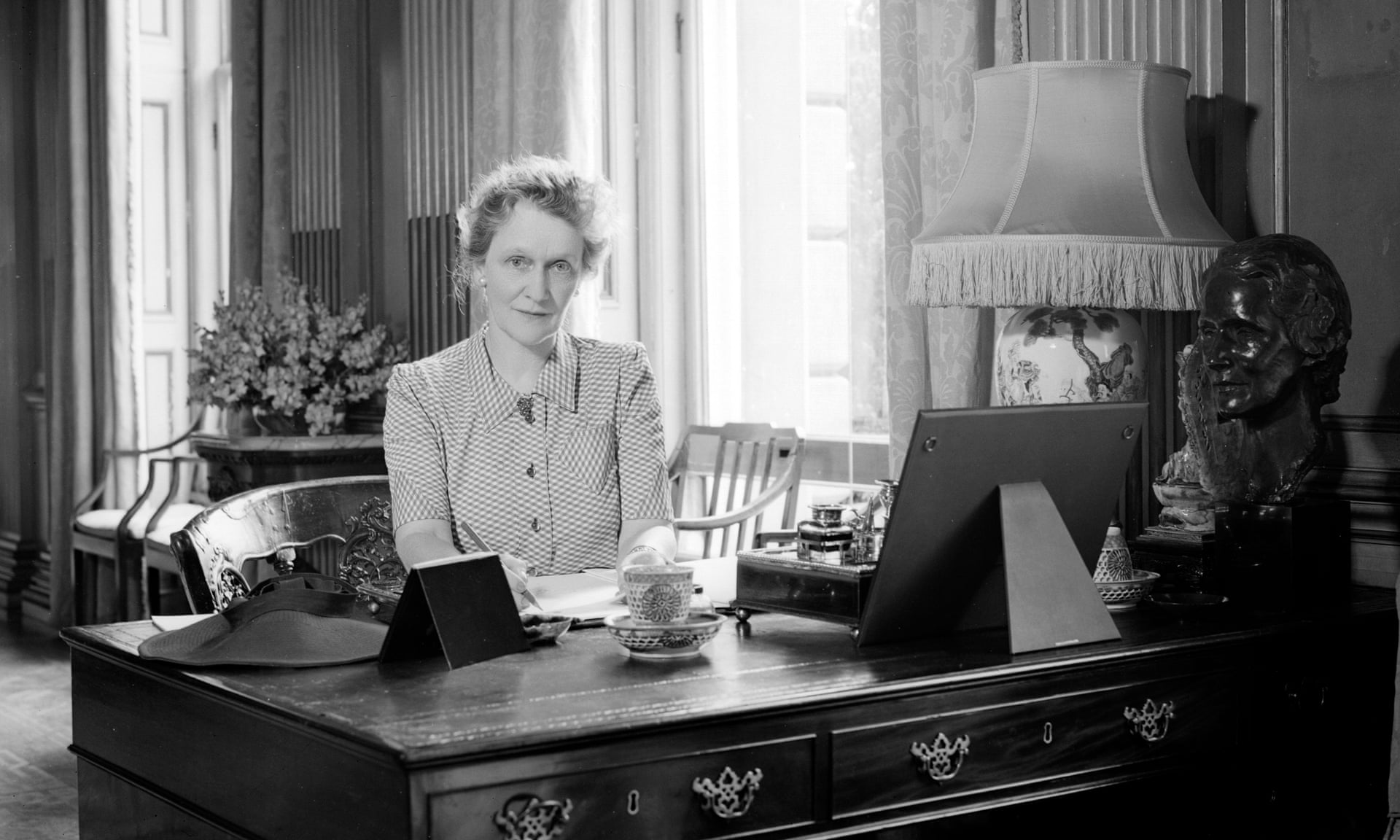
English Heritage has admitted that not enough women from history are celebrated with blue plaques and has asked the public to help redress the balance.
Only 14% of the more than 900 blue plaques in London are dedicated to women, a figure that is “far too low”, according to Anna Eavis, the curatorial director of English Heritage.
“The really important thing is trying to encourage people to send more nominations for women; the scheme is driven by public nomination,” she said. “Although over the past two years we have managed to secure a higher percentage of proposals for women, there still aren’t enough.”
Eavis said this year’s centenary of the first votes for women had brought about an increased urgency to rebalance the record of history. “We really hope this enthusiasm will be translated into lots more nominations and, ultimately, more blue plaques for women.”
English Heritage wants more nominations but Eavis stressed selection would remain a highly competitive process. Around 80 people a year are nominated and about 12 plaques are put up.
“The bar is high, we are absolutely not wanting to hand out plaques to anyone. This is a serious thing about recording people who have made a significant contribution and there will be people who do not get through,” she said.
The London blue plaques scheme was founded in 1866, with the first one unveiled at the birthplace of Lord Byron.
It took 10 years for a woman to be recognised with a plaque when one was placed on the home of the stage actor Sarah Siddons. By 1905 only five women had plaques dedicated to them, including George Eliot.
By 1986, when English Heritage took over the scheme from the Greater London Council, there were 45 plaques celebrating women.
English Heritage said it had made some progress in recent years, unveiling another 80 London blue plaques dedicated to women. They include the computing pioneer Ada Lovelace, the DNA scientist Rosalind Franklin and the first woman to sit in parliament, Nancy Astor.
More recent recipients include the cookery writer Elizabeth David, whose books such as A Book of Mediterranean Food (1950) and French Provincial Cooking (1960) transformed making meals from a matter of necessity to one of pleasure.
Another is Agnes Arber, a botanist who published more than 90 scientific papers and eight books, including Herbals, Their Origin and Evolution (1912). A blue plaque will be erected at her home in Primrose Hill on Thursday.
Three more blue plaques for prominent women are in the pipeline, English Heritage said. The women are:
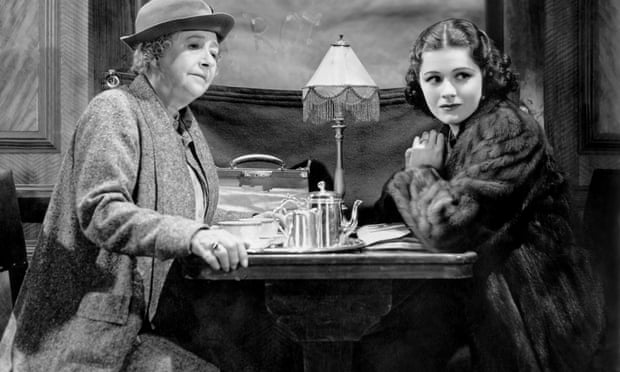
• The actor and Upper Norwood resident Margaret Lockwood (1916-90), one of Britain’s most popular film stars in the 1930s and 40s, whose many film roles include a bored heiress in Alfred Hitchcock’s The Lady Vanishes (1938) and the unfulfilled aristrocrat and highway robber Lady Barbara Skelton in the Gainsborough melodrama The Wicked Lady (1945).
• The world war two spy Noor Inayat Khan (1914-44) who served with the Special Operations Executive and was the first female radio operator sent into Nazi-occupied France. She was captured and executed by the Gestapo in 1944. Khan was posthumously awarded the George Cross for her bravery in 1949. English Heritage said it was currently trying to find the best location for a plaque.
• The traveller, archaeologist, mountaineer and diplomat Gertrude Bell (1868-1926), who played an important role in the establishment of the state known as Mesopotamia, now Iraq, after the first world war. Among her many eye-catching achievements and exploits was surviving 53 hours on a rope during a blizzard on the previously unclimbed north-east face of the Finsteraarhorn in the Swiss Alps in 1902. She was portrayed by Nicole Kidman in the 2015 Werner Herzog flop, Queen of the Desert.
English Heritage said plaques for the writer Daphne du Maurier and the Bloomsbury Group artist Vanessa Bell were likely to follow but more nominations were needed, especially in the areas of science, sport and the fine arts, where women are particularly poorly represented.
Why female superheroes shouldn’t hit old ladies
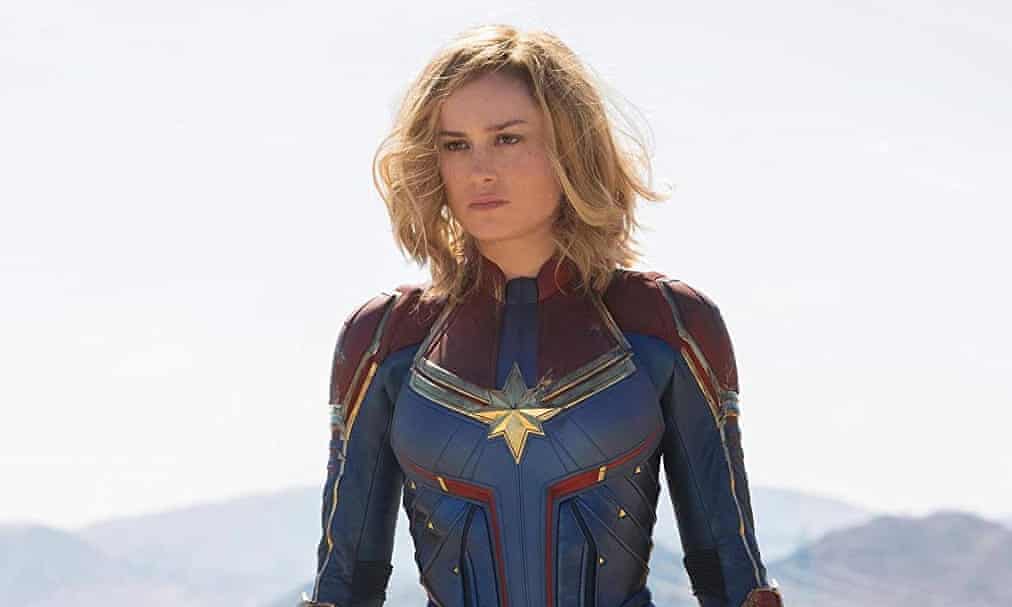
The trailer for Captain Marvel has landed. I always find it hard to tell someone’s superpower from a trailer – it all moves so fast – but I know she can breathe fire out of her eyes, and I can see quite plainly that she is female, the first of her kind, unless you count Wonder Woman, or Lara Croft, which for reasons relating to comic franchises, we do not. Apart from the eyes, some obligatory superhero amnesia and a bit of kinetic energy, the main thing we see is the Captain punching an old lady. In the fullness of the film, it will doubtless transpire that the old lady was a well-disguised mutant, or carrying a nuclear bomb; in the thrill of the trailer, we take these things on trust. The Captain, being female, must have a sound reason.
You would never see Superman do such a thing, even if the lady did have a nuclear bomb: it would be too visually uncomfortable. Some studio exec would say: “Can’t we make the old lady a hyena?” And everyone would nod and say: “That’s why he’s paid the big bucks.”
It is partly the infinite licence of the classic character, newly inhabited by a woman. It is astonishing that we got a good way through the 21st century before anyone would consider having a superhero, or a time-travelling, two-hearted Doctor, or anyone vaguely competent in combat and killing, who was a woman. And the relief is such that Captain Marvel, or Jodie Whittaker, or any new inhabitant of a typically male role, can basically do what she likes, punch who they like, swear as much as they like.
Whittaker this week gave an interview ahead of her first Doctor Who season full of effing and jeffing; who was a dick, who got on her tits. It was like a blast of optimism, an explosion of impunity, an “Oi! Peter Capaldi! Imagine if you’d done that: you would have come before a disciplinary panel before you could utter one of those compound swearwords for which you’ve been so beloved in other roles.” It was magnificent.
The Favourite
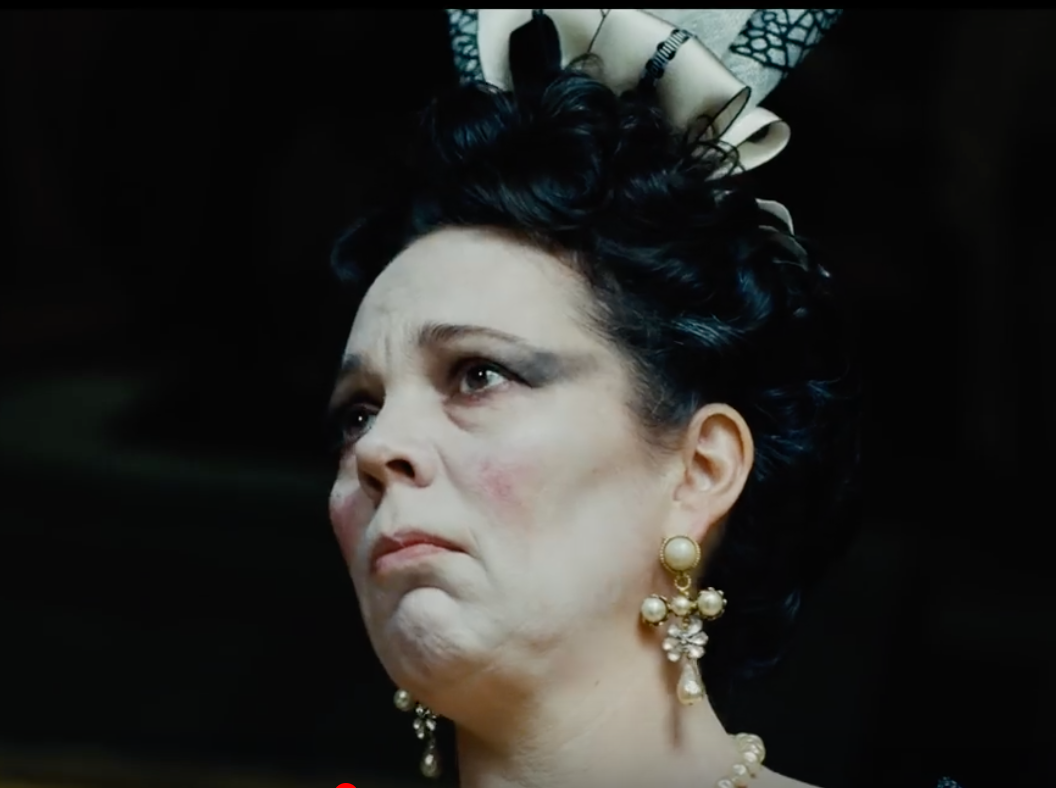
Early 18th century. England is at war with the French. Nevertheless, duck racing and pineapple eating are thriving. A frail Queen Anne (Olivia Colman) occupies the throne and her close friend Lady Sarah (Rachel Weisz) governs the country in her stead while tending to Anne’s ill health and mercurial [..I can’t wait!!!.]
Virginie Despentes: ‘What is going on in men’s heads when women’s pleasure has become a problem?’
In her living room in northern Paris, Virginie Despentes, a former punk and wild child of French literature, sits on her sofa with coffee in a Motörhead mug, rolling a cigarette and reflecting on the passing of time. “I’ve changed a lot as a person – the anger and anxiety isn’t the same,” she says.
In her living room in northern Paris, Virginie Despentes, a former punk and wild child of French literature, sits on her sofa with coffee in a Motörhead mug, rolling a cigarette and reflecting on the passing of time. “I’ve changed a lot as a person – the anger and anxiety isn’t the same,” she says.
It is almost 25 years since Despentes burst on to the French literary scene with her debut novel Baise-Moi, a rape revenge story that she began writing aged 23 while she was also occasionally a sex worker. In 2000, when she directed the film version, working with female pornography actors, it was banned in France for a time, and became a cult hit across Europe. Despentes, who took her pen name from the area in Lyon where she was a sex worker, was branded crude, outrageous and refreshing – the working-class daughter of postal workers from Nancy in north-eastern France became literature’s “voice of the marginalised”. Since then she has written 10 more books, won literary awards and redefined French feminism in her 2006 manifesto King Kong Theory, in which she detailed being raped at 17 while hitchhiking with a friend, when they were attacked and threatened with a rifle by three young men.
How we made: Spare Rib magazine

Rosie Boycott, co-founder
There were lots of things rumbling around in 1971. Germaine Greer’s The Female Eunuch had come out, and there were protests against Miss World – but they didn’t seem to reach the ordinary woman. I had dropped out of university and was working on an underground newspaper called Frendz. It was an “alternative” culture, but for women it was extremely sexist. If you didn’t agree to get laid, you were a “straight”.
We – Marsha Rowe and I – wanted to make a feminist magazine that would be widely read. She was going out with the son of journalist Claud Cockburn, and we were all at a Chinese restaurant one evening when Claud picked up a spare rib and said: “Call it Spare Rib.” It was a moment of genius.
There were terrific arguments at the launch party. The gay rights people were shouting that we weren’t supporting them, the radical feminists were shouting that we weren’t radical enough. You’re always going to displease someone. We wrote an editorial saying liberation was as important for men as it was for women – we were adamant that feminism was going to be brilliant for both sexes. Inevitably, that fell away. I wish we’d been able to explore it more.
We seriously thought we were going to take on Woman and Woman’s Own. We’d do parties to raise money and wouldn’t let people out until they’d given us £20. At one point we were so desperate, we asked an Arab sheikh for money. He was extremely nonplussed. I don’t think anyone had ever asked him for a donation without offering some kind of sexual favour.
Certain branches of WH Smith wouldn’t stock some issues. One cover had a woman supposedly in the throes of an orgasm with the line: “The liberated orgasm … Make a New Year resolution to have one.” It went over very badly. The magazine was also a difficult advertising proposition. The first issue had a makeup ad in which a woman was very demurely pulling aside a lace curtain to reveal half her face. After that, we realised, well, actually, we can’t run those kind of ads.
I don’t think anyone took us particularly seriously. Private Eye called us “Miss Bums and Miss Tits”. Back then, men didn’t realise how feminism would impinge on their world. They’re much more hostile now. Having a 100% conviction that what we were doing was right made it all fun. We were working round the clock, changing the world, and you wouldn’t have wanted to be anywhere else. We featured such writers as Margaret Drabble, Fay Weldon and Edna O’Brien, but we also asked readers to send in pieces. That came from working in the underground press: we wanted other people’s experiences.
I left in 1974, but Spare Rib kept publishing until 1993. It was there through the crucial years of feminism. It pushed what needed to be put in front of people – and it didn’t give up. In 2013, the journalist Charlotte Raven asked if she could relaunch the magazine, but in the end we said no. It played a part in changing the landscape for women in Britain, but things have their time. You resurrect them at your peril.
Marsha Rowe, co-founder
I did what was expected of me in the early 1960s in Australia and became a secretary. I’d seen the alternative magazine Oz and thought: “This is fabulous.” So I got a job there and saw how it was put together.
At the end of the decade, I moved to London. At a meeting of women who worked in the underground press, we realised that we did all the support work, and then we went home and looked after men there as well. That revelation – actually speaking it – was extraordinary.
I suggested Spare Rib at the third of these meetings. I remember Rosie’s expression, those big blue eyes looking all smiley and positive. Six months later, in June 1972, our first edition was on the stands, on sale for 17 and a half pence. We had a feature on romantic novels and a brilliant piece by Patricia Hewitt on women’s pensions. I’d met someone who knew George Best, so we interviewed him for the man’s page, which was partly a satire on the usual women’s page, but also because we wanted to explore what men thought about feminism.
Our first fashion spread was a double page on jeans. No one in fashion ever mentioned jeans back then
We called ourselves an alternative women’s news magazine. I adored magazines and their visual aspect, but we could only afford two colours, to go with black and white. I wanted Spare Rib to have all the traditional elements of a women’s magazine, but with a different spin. Our first fashion spread was a double page on jeans. No one in fashion ever mentioned jeans back then.
The women’s liberation movement changed my life, but I discovered my voice through Spare Rib. We did a feature on the first women’s centre in London and the first refuge. At that point, domestic abuse was rarely talked about. It was something women were blamed for. As soon as news spread of what we were trying to do, people wanted to contribute. Those early days in the office were a joy, working with women, sharing ideas, thinking things through. It was so non-competitive.
It took about four years for Spare Rib to find its feet. By the time 10 years had gone by, it had become more of a magazine for the women’s movement. I think it lost a certain spark. We’d had a wonderful DIY page and a cooking section – and all these things had disappeared. The design element lost some of the early brilliance, too. It became much more solid.
Financially, it was tough going. In later years, they had to rely increasingly on grants, and the readership shrank. But the fact that it lasted 21 years is a tribute to the series of brilliant women who worked there.
• Spare Rib features in Print! Tearing It Up at Somerset House, London, until 22 August.
A Mary Quant exhibition is coming to London
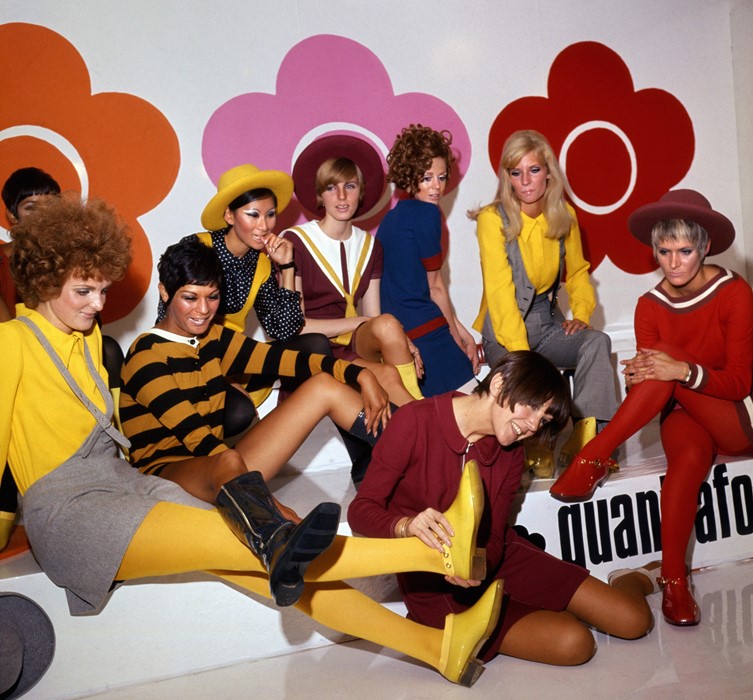
It’s been announced that the V&A have been given unprecedented access to Dame Mary Quant’s archive to curate an international retrospective on the designer known for inventing the miniskirt. The first of its kind, the exhibition will focus on 20 years of the British icon’s legacy, when she revolutionised the high street with her fun and youthful designs.
An instrumental figure in the 1960’s mod scene, Quant’s minimal and androgynous graphic look rejected the ceremonial styles of previous generations and played with gender stereotypes. Creating clothes that allowed women to move freely, she became a favourite amongst youths who wanted to wear dynamic dresses and stockings in vibrant colours.
Showcasing an array of garments alongside sketches, catwalk footage, and patterns, the exhibition brings together over 200 objects, the majority of which have never been on public display: from hotpants and Peter Pan-collared dresses to patterned hosiery and make-up.
Curated by the V&A’s Jenny Lister and Stephanie Wood, a public call-out has also been issued for rare and one-off designs, such as those sold between 1955 and 1960 in Quant’s iconic Bazaar boutiques, and early experimental garments in PVC, when the material was still a work-in-progress. Alongside the clothing, the museum is also collecting real life stories from people who are able to further explore how the the designer democratised fashion and empowered women through her unique, personal style.
And to round it all off, the retrospective will be accompanied by a new V&A publication, created to recognise the entrepreneurial magnificence of one of London’s most iconic designers.
The exhibition will run from 6 April 2019 until 8 March 2020. Tickets will go on sale in Autumn 2018 on https://www.vam.ac.uk
Click here to view original web page at www.dazeddigital.com
Pride month: the exhibitions celebrating LGBT art in June
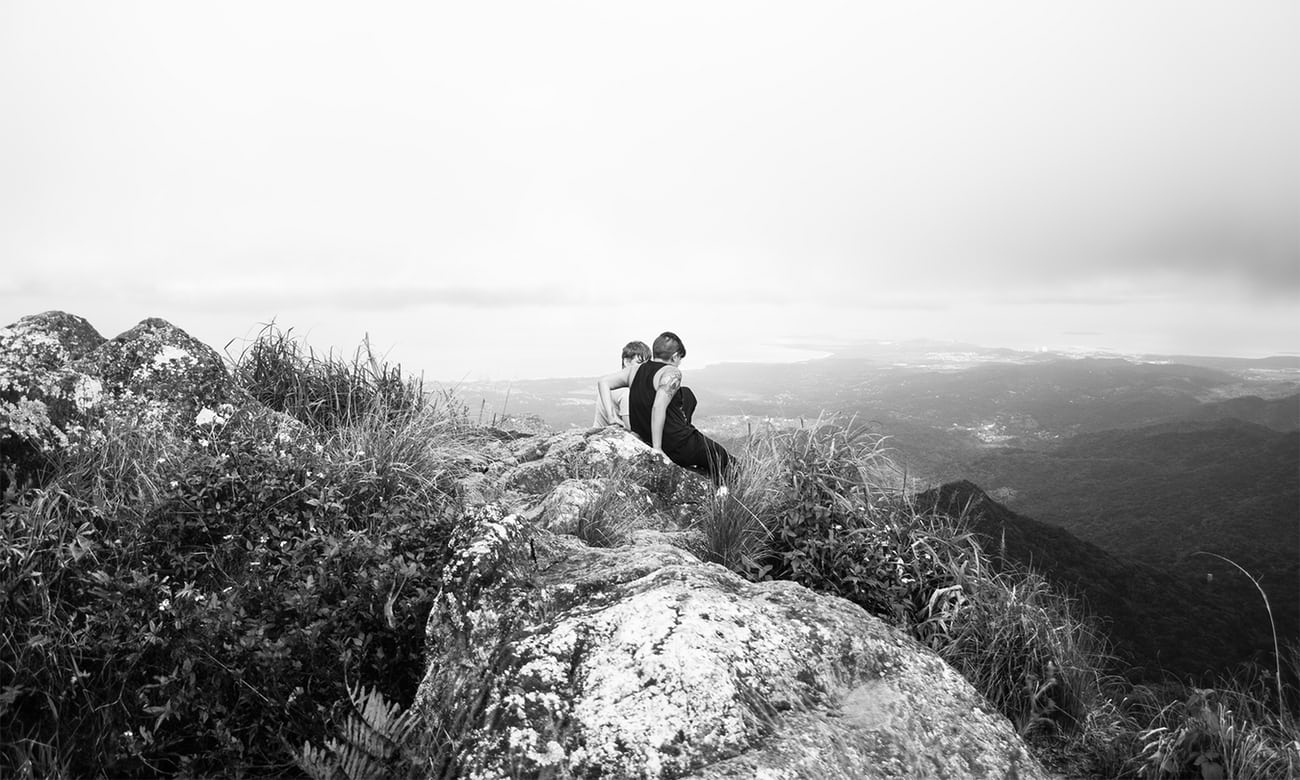
It was 28 June 1969 when the Stonewall riots broke out in New York City, and as police raided the Stonewall Inn gay bar on Christopher Street, it also sparked the modern LGBT rights movement, resisting against violence. In 1970, the first annual Pride month followed, along with the Christopher Street Liberation Day and the first gay pride march in American history, where hundreds marched to Central Park.
Years later, Pride month continues to be a time for the LGBT community to celebrate and commemorate. This year, a series of LGBT art exhibitions are popping up, from billboards in Los Angeles to photographs of drag queens.
Opening at SOMArts in San Francisco, this group exhibition curated by Rudy Lemcke features politically charged artworks by 15 artists. With the modern LGBT movement emerging out of resistance against violence, oppression and censorship, this exhibition features works “that speak to homophobic, transphobic and gendered violence”, said Lemcke. “It’s about the deep wounds that have shaped our identity as a community.” Among the artists, Jamil Hellu is showing artwork inspired by Russia’s anti-LGBT propaganda law. “I am committed to speaking out against human rights abuses and bringing attention to the sociological ramifications of violence against gay people,” said Hellu. “It’s so important to keep the awareness alive that in many other parts of the world people are still being oppressed and persecuted to death because of homophobia.”
The New York artist takes his work outdoors in Los Angeles, showing on a pair of digital billboards on Sunset Boulevard. As part of the Rich Picture, a video art billboard series curated by Jessica Rich, Newsome is showing Knot Variations, which taps into the ballroom culture and vogue dance movement that surfaced in Harlem in the 1980s. “How do marginalized people find some upward mobility by using the culture they create when it’s not being celebrated by the masses until it’s adjacent to whiteness or being recreated by white America?” he asked. “Voguing got going around the same time as the Aids crisis began, and as more people swooped in, the conversation was soon driven by people who weren’t part of the community. It’s not that people can’t participate in the culture, but those who create the culture need to have agency over it. This is work that is with, for and about the community.”

My Name Is Lucy Barton review – Laura Linney triumphs as a writer confronting her past
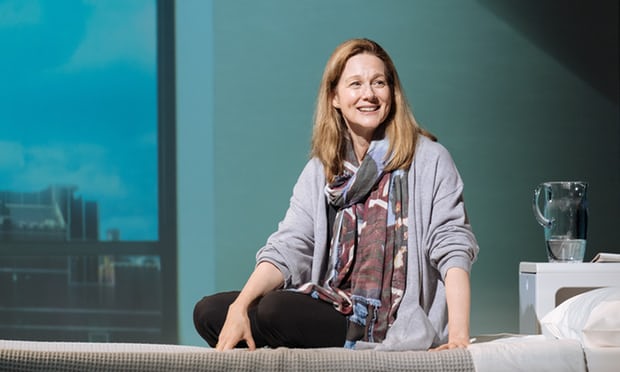
Novels, depending on the stream of time, rarely make good plays. Elizabeth Strout’s first-person narrative, longlisted for the Man Booker prize in 2016, however, breaks the rules and fits perfectly on the stage. That’s partly because of the quality of the writing and partly because of a beautifully nuanced solo performance by Laura Linney: a space that recently looked underpopulated with a four-character play, suddenly feels colonised by Linney’s commanding presence. Fans of the book will know that it is the reminiscence of a writer hospitalised for nine weeks in New York by a mysterious illness. But the focus is on five days when the eponymous heroine renews acquaintance with her mother, who has come to visit her from rural Illinois and from whom she has been long estranged. The two women talk, gossip about people from Lucy’s past, warily seek each other’s love. In the end, the mother departs as abruptly as she came and you feel the two women have briefly bonded without ever addressing their shared guilt: in the mother’s case, over Lucy’s impoverished childhood and, in Lucy’s, over her own necessary desertion.
It sounds slight: in fact, it’s a story full of mysterious resonances. What comes out in performance, even more than in reading the book, is the idea that, even if you totally reinvent yourself, your past remains inescapable. Lucy has sought to overcome a childhood in which she and her siblings were beaten and deprived of the consolations of TV, films and magazines. Her father, who fought in the second world war, suffered from what we would now call post-traumatic stress disorder. Fleeing Illinois, Lucy has settled in New York, married, had children and acquired the ruthlessness that is part of a successful writer’s equipment. Yet, as Lucy admits, the Barton family provided a structure she was unaware of, until it was ended by death.
Although I was sorry not to hear more of Lucy’s literary mentor, Sarah Payne, Rona Munro’s adaptation is sensitive to Strout’s structure. Richard Eyre’s production also has a distilled clarity: Bob Crowley’s set consists of a hospital bed and chair, while Luke Halls’s video design modulates between vistas of the gleamingly geometric Chrysler building and Illinois acres of soybeans and corn, which seem to stretch to infinity.