It was 28 June 1969 when the Stonewall riots broke out in New York City, and as police raided the Stonewall Inn gay bar on Christopher Street, it also sparked the modern LGBT rights movement, resisting against violence. In 1970, the first annual Pride month followed, along with the Christopher Street Liberation Day and the first gay pride march in American history, where hundreds marched to Central Park.
Years later, Pride month continues to be a time for the LGBT community to celebrate and commemorate. This year, a series of LGBT art exhibitions are popping up, from billboards in Los Angeles to photographs of drag queens.
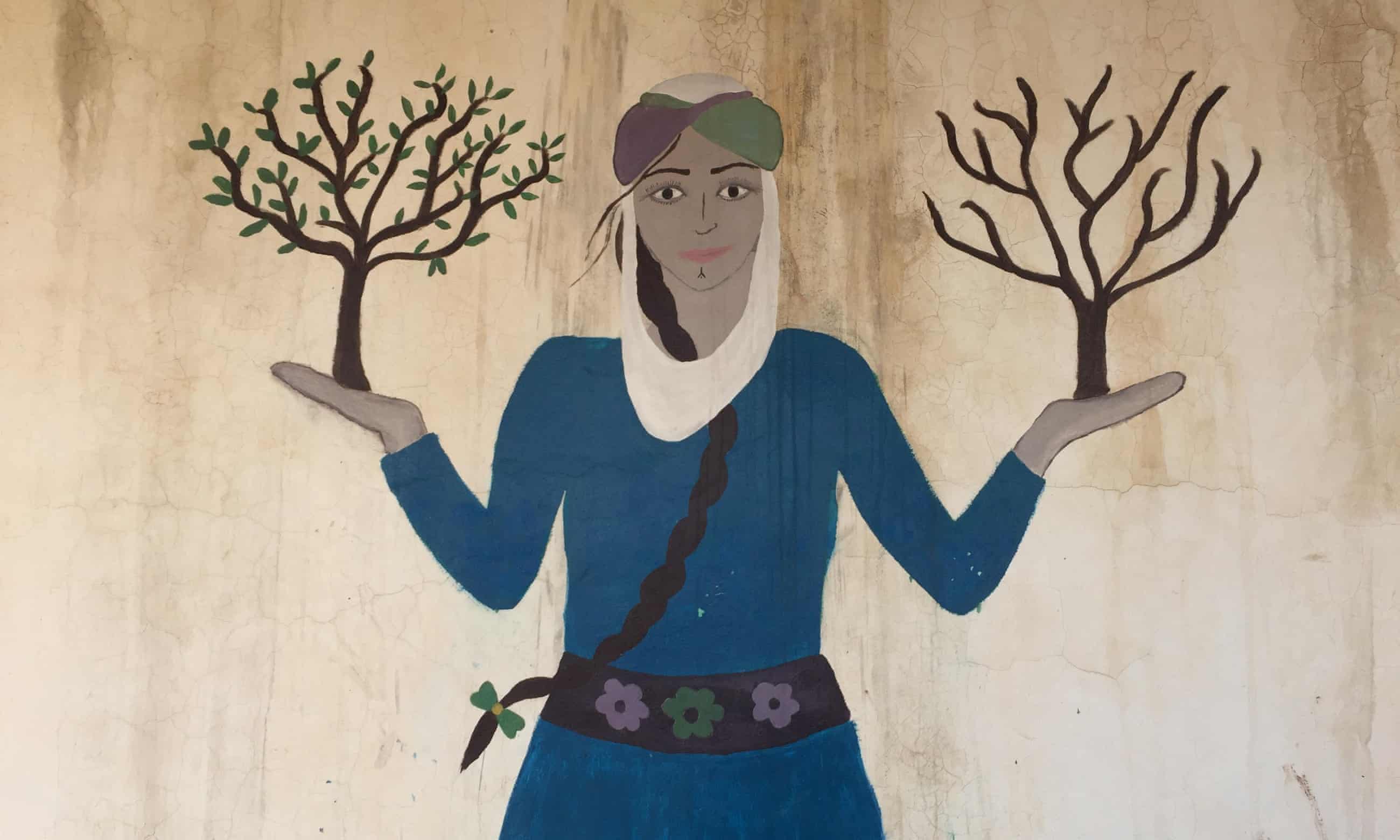
Opening at SOMArts in San Francisco, this group exhibition curated by Rudy Lemcke features politically charged artworks by 15 artists. With the modern LGBT movement emerging out of resistance against violence, oppression and censorship, this exhibition features works “that speak to homophobic, transphobic and gendered violence”, said Lemcke. “It’s about the deep wounds that have shaped our identity as a community.” Among the artists, Jamil Hellu is showing artwork inspired by Russia’s anti-LGBT propaganda law. “I am committed to speaking out against human rights abuses and bringing attention to the sociological ramifications of violence against gay people,” said Hellu. “It’s so important to keep the awareness alive that in many other parts of the world people are still being oppressed and persecuted to death because of homophobia.”
The New York artist takes his work outdoors in Los Angeles, showing on a pair of digital billboards on Sunset Boulevard. As part of the Rich Picture, a video art billboard series curated by Jessica Rich, Newsome is showing Knot Variations, which taps into the ballroom culture and vogue dance movement that surfaced in Harlem in the 1980s. “How do marginalized people find some upward mobility by using the culture they create when it’s not being celebrated by the masses until it’s adjacent to whiteness or being recreated by white America?” he asked. “Voguing got going around the same time as the Aids crisis began, and as more people swooped in, the conversation was soon driven by people who weren’t part of the community. It’s not that people can’t participate in the culture, but those who create the culture need to have agency over it. This is work that is with, for and about the community.”